Vacuuming your carpet might seem like a simple chore, but its impact on your health and the longevity of your flooring is profound. From reducing allergens to enhancing the appearance of your home, the benefits are clear.
Factors like carpet type, foot traffic, and pet presence influence how often you should vacuum. This guide covers the ideal vacuuming schedule, signs your carpet needs attention, and best practices to ensure a thorough clean.
Discover how a little effort can go a long way in maintaining your carpets!
Importance of Vacuuming Your Carpet
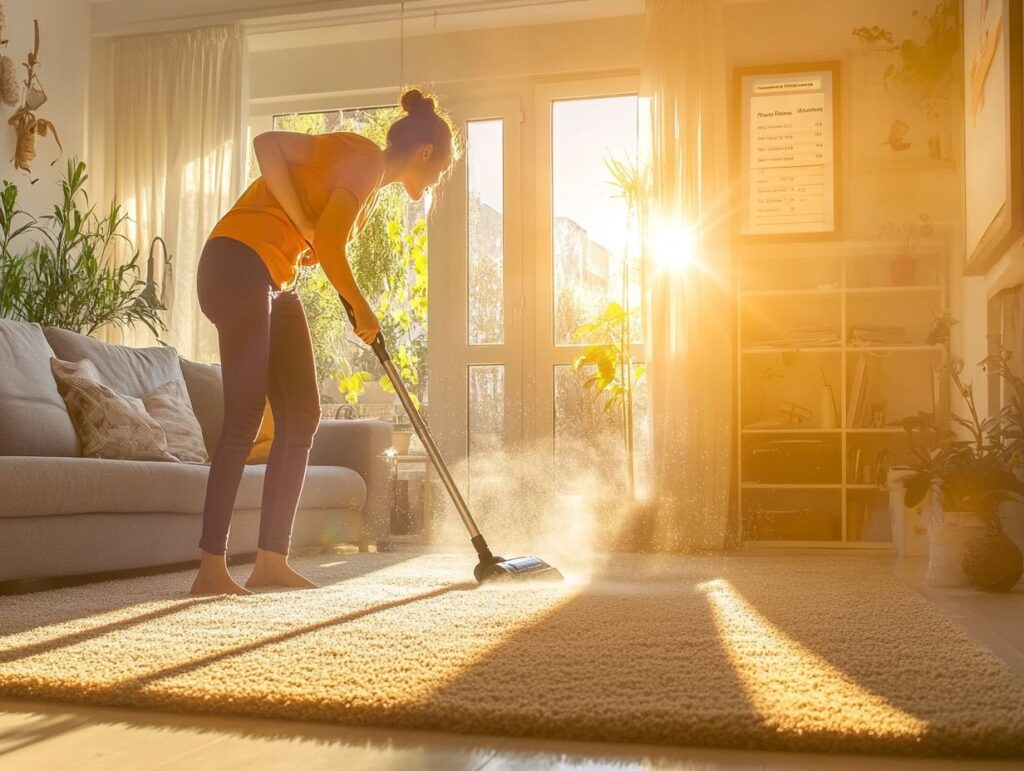
Vacuuming your carpet is crucial to keeping your home in tip-top shape. It not only makes your space look better but also improves your indoor air quality and overall hygiene.
By regularly tackling surface dirt, dust mites, and allergens, you’re helping to reduce health risks and extend the life of your carpet. A regular cleaning schedule is vital for effective carpet care, ensuring your home stays comfortable and inviting, free from those pesky pollutants.
Plus, knowing how vacuuming affects your cleaning habits can affect the length of your carpet’s life.
Factors That Affect Vacuuming Frequency
A few key factors determine how often you should vacuum your carpet to keep it clean and lasting longer. By understanding these variables, you can create a cleaning routine that fits your needs and living situation.
For instance, the type of carpet you have, the amount of foot traffic your home experiences, and whether you have pets, all play a significant role in how frequently you should grab that vacuum cleaner.
Additionally, consider environmental factors such as dust accumulation and allergens—they can influence how often you adhere to your cleaning schedule.
Type of Carpet and Foot Traffic
The type of carpet you have and how much foot traffic it receives are critical factors in deciding how often you should vacuum. If you have high-pile carpets or those in busy areas, you will want to step up your vacuuming routine to avoid dirt build-up and keep your carpets looking sharp. Conversely, low-pile carpets may not require as much attention but still deserve regular cleaning. Understanding these dynamics helps you fine-tune your cleaning habits and develop effective vacuuming strategies.
When considering different types of carpets, remember that plush carpets can trap more dust and allergens due to their fibres. This means you will need a vacuum with strong suction and a beater bar to do the job. On the other hand, low-pile carpets tend to perform better with vacuums designed for smooth surfaces, which can easily lift debris without damaging the fibres.
If you have high-foot-traffic areas, such as entryways and living rooms, vacuum at least twice a week to help your carpets last longer. Additionally, incorporating some spot cleaning for any immediate stains can keep your carpets looking fresh and well-kept.
Pets and Allergies
If you have pets, their presence affects how often you need to vacuum because of all the hair, dander, and pesky allergens they bring into your home. Regular vacuuming isn’t just for keeping things tidy and maintaining a healthy indoor environment. Pet hair can accumulate faster than you think, making your cleaning efforts less effective and increasing allergens, impacting your home’s hygiene and your family’s well-being. So, it’s a good idea to adjust your cleaning schedule based on your pets’ habits and needs.
Incorporating pet care routines, like grooming your pets before you vacuum, can enhance your cleaning efforts. And don’t forget to use a vacuum with HEPA filters; they’re perfect for trapping those irritating allergens and keeping the air in your home cleaner.
Vacuuming regularly tackles pet hair and helps reduce dust mites and other pollutants that tend to linger in a pet-friendly environment. By staying proactive with these cleaning measures, you’ll create a healthier space for your furry companions and family, making all that effort worthwhile for everyone involved.
Recommended Vacuuming Schedule
Creating a vacuuming schedule that fits your lifestyle and the type of carpet you have is key to keeping those carpets in tip-top condition. A solid cleaning routine keeps your carpets looking great, helps manage allergens, and extends their lifespan.
It’s generally recommended that standard living areas be vacuumed at least once a week, but if you have high-traffic areas or furry friends, you might need to step it up a bit.
Remember seasonal cleaning, too—it can help you establish a comprehensive routine that complements your time management strategy.
Frequency for Different Types of Carpet
Different carpets require different vacuuming schedules to remain clean and last longer. For example, if you have low-pile carpets, you might only need to vacuum them once a week. Conversely, high-pile or shag carpets could benefit from some extra TLC, so vacuuming more frequently will help remove surface dirt and prevent matting. Understanding the specific cleaning habits for your carpet type is key to developing effective maintenance tips that suit your needs.
If you have heavily trafficked areas, you’ll want to increase your vacuuming routine, perhaps several times a week. And if you have pets, frequent vacuuming becomes even more essential to tackle all that hair and dander.
For plush carpets, using a vacuum with adjustable height settings is a wise move—it helps avoid damaging the fibres while still giving you a thorough clean. Regularly checking and maintaining your vacuum cleaner filters can enhance performance, making it easier to keep your carpets looking pristine and extending their lifespan.
Additional Considerations
In addition to carpet type and foot traffic, you should consider a few other things when figuring out how often to vacuum and what your overall cleaning routine should look like.
For example, if you live in an area with high pollen counts or dust, you might vacuum more during peak seasons, like spring, when allergens are everywhere. And if you have pets, prepare for a new level of challenges; their shedding and the dirt they bring often mean you’ll need to do it more frequently.
Don’t forget to keep an eye on your vacuuming machine, too. Regularly checking and maintaining it—like cleaning the filters and unclogging the hoses—can make a significant difference. A well-maintained appliance not only works better but also picks up more debris.
Considering all these factors, you can create a personalised cleaning schedule that enhances your living environment and keeps things hygienic.
Signs That Your Carpet Needs Vacuuming
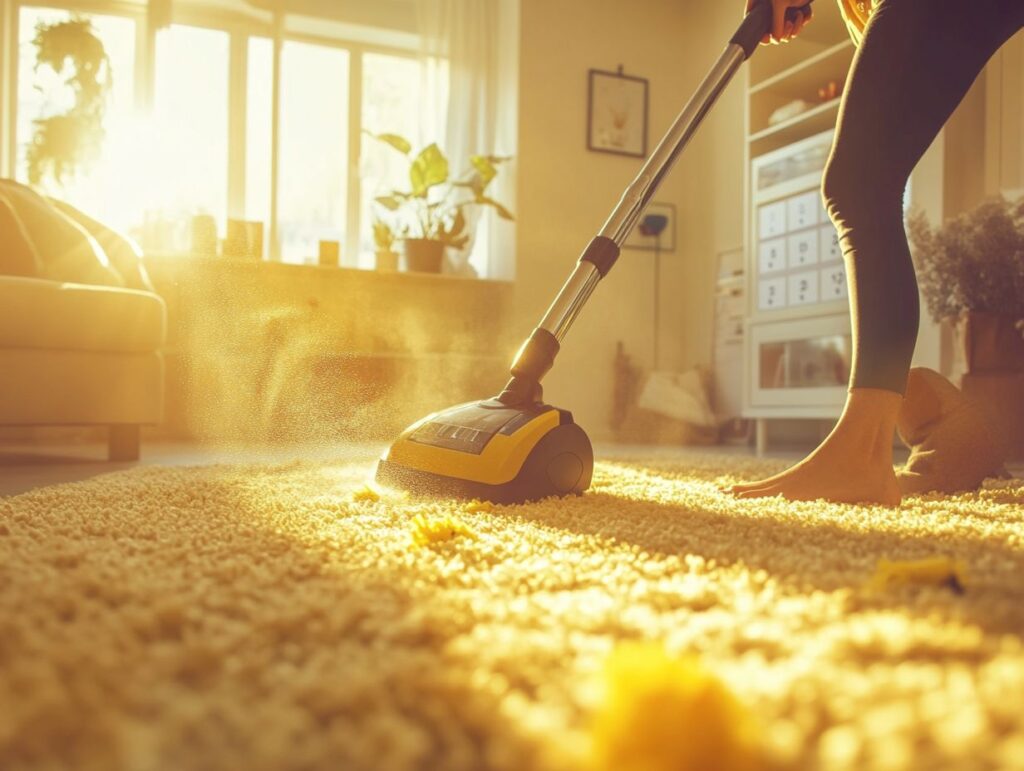
Recognising when your carpet needs a good vacuum is key to keeping it looking its best and lasting longer. Look for signs like visible dirt build-up, a colour shift, or sneezes and sniffles from increased allergens in your indoor air.
These clues are your carpet’s way of saying it’s time to rethink your cleaning routine. By paying attention to these indicators, you can ensure your carpet gets the care it needs to stay fresh and clean.
Visual Indicators
Visual indicators, such as noticeable dirt build-up or a change in your carpet’s appearance, are fairly clear signs that it’s time to grab the vacuum cleaner. If you spot dark patches or areas, dirt has settled deep into the fibres and needs immediate attention.
Monitoring these cues can help prevent further wear and keep your living space inviting. Integrating some regular maintenance tips into your routine will make it easier to recognise when your carpet needs a little extra care.
For example, if you see trails or tracks with heavy foot traffic, that’s a telltale sign that debris is becoming embedded in your carpet, making regular cleaning essential. If the carpet feels rough or matted when you walk on it, that could signal dirt hidden beneath the surface.
And if you notice any strange odours lingering in the air, it might mean pollutants are trapped in those fibres—vacuuming can help clear that up. Awareness of these subtle signs allows you to take proactive care of your carpet, ensuring it looks great and lasts longer, keeping your home cosy and comfortable.
Testing for Allergens and Dirt Buildup
Testing for allergens and dirt build-up can give you some great insights into how clean your carpet is and help you figure out when to vacuum. You can try simple methods, like rubbing a white cloth on the carpet to see how much dirt comes off, or even use allergen detection tools to check your air quality. These little tests guide your cleaning habits and help keep your indoor environment healthy.
For example, using a black light can uncover pet dander and completely invisible stains to the naked eye, revealing hidden allergens that might affect your air quality. It’s a game-changer! Consider setting up a regular cleaning schedule that includes deep cleaning every few months; it will help reduce all that allergen build-up.
Investing in a HEPA filter vacuum can also improve indoor air quality by capturing tiny particles that standard vacuums often miss. Don’t forget to change your boiler filters regularly, as this further helps minimise dust and allergens, providing you and your family with a cleaner, fresher indoor atmosphere.
Best Practices for Vacuuming Your Carpet
Implementing best practices for vacuuming your carpet can enhance your cleaning efficiency and help care for it. Using the proper techniques effectively removes dirt and allergens and keeps your carpet looking excellent and lasting longer.
Regular vacuum maintenance and knowing how to use different attachments are crucial for achieving the best results.
Techniques and Tips for Effective Cleaning
The proper cleaning techniques and vacuuming tips can impact your carpet’s longevity and overall appearance. Understanding your various vacuum attachments and how to use them effectively can help you tackle different types of dirt and allergens. Familiarising yourself with your vacuum’s user guide will ensure you use it to its full potential, maximising your cleaning efforts.
Adopting a regular vacuuming schedule, ideally once or twice a week, can prevent dirt buildup and help your carpet last longer. Changing the vacuum bag or emptying the bin frequently is essential; a full container reduces suction power and hinders performance.
Consider using a vacuum with a beater bar to lift embedded particles for those high-traffic areas. Remember to use slow, overlapping strokes to capture as much debris as possible. Also, ensure you don’t overlook corners and under furniture—those neglected spots can accumulate dust and allergens, affecting cleanliness and air quality.
Seasonal Cleaning Considerations
Seasonal cleaning is key to keeping your carpet fresh and clean all year round. As the seasons shift, the types and amounts of dirt that sneak in change, too, so it’s wise to tweak your vacuuming routine.
For instance, when spring arrives, allergens like pollen can impact indoor air quality, while winter tends to bring in more dirt and moisture. By adjusting how often and how you clean based on the season, you can give your carpet the care it needs and improve your home’s hygiene.
Different weather conditions also change the types of pollutants and how long they linger on your carpet. During summer, all that extra foot traffic from outdoor activities can leave more dirt and debris behind, so you’ll want to vacuum more frequently. Conversely, autumn might bring leaves that love to get trapped in the carpet fibres.
Recognising these seasonal factors can help you create a cleaning strategy that reduces dust accumulation and fosters a healthier living space.
Taking this proactive approach ensures your carpets look good and contribute to a cleaner atmosphere in your home.