
If you or a family member suffers from asthma (particularly a child), you know how crucial even the tiniest details become to ensure comfort and health. Most people concentrate on dusting and polishing every surface they can get their hands on or focus on air ventilation. While these things are important, we often forget the one item at home that accumulates the most dust – the carpets.
This article explores the connection between carpet cleaning and asthma, offers tips on selecting the right carpet, and provides guidance on maintaining a healthy home. Additionally, we will look into alternative flooring options that can help keep your living space safe and comfortable.
The Connection Between Carpet Cleaning and Asthma
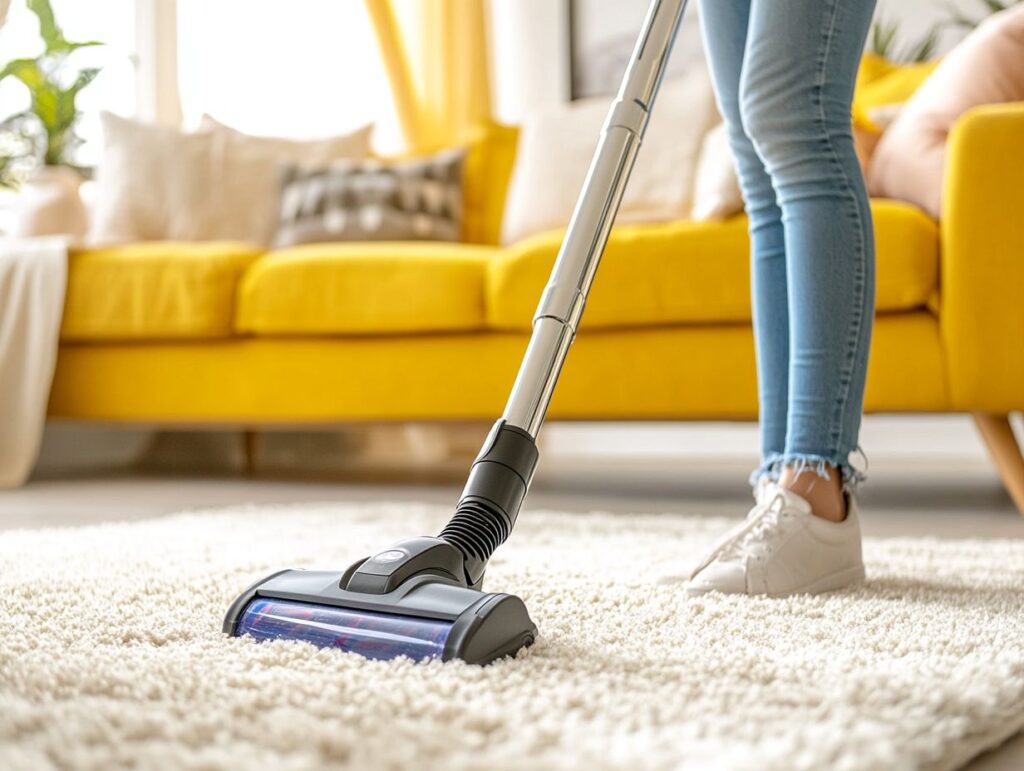
Carpet cleaning is extremely important for keeping your indoor space healthy, especially if you or someone in your home has asthma. Dust mites, mould, and allergens love to hang about in carpet fibres, and they can really exacerbate respiratory issues or even trigger asthma symptoms.
Regularly cleaning those carpets isn’t just a chore; it’s essential for improving indoor air quality and reducing the risk of asthma attacks, making your home a haven for you and your family.
You can make smarter home hygiene choices once you understand how different cleaning methods impact air quality.
How Carpets Can Impact Asthma Symptoms
Carpets can influence asthma symptoms by collecting allergens like dust mites, pet dander, and mould spores within their fibres. These common indoor pollutants can trigger respiratory issues and worsen allergy symptoms, so anyone with asthma needs to keep an eye on their carpet’s condition and cleanliness. Understanding how different carpet types and fibres can impact indoor air quality is key to managing asthma effectively.
Certain synthetic fibres, like nylon and polypropylene, are less likely to trap those irritants than natural fibres like wool or cotton, which can soak up moisture and encourage mould growth. If you opt for carpets with a dense, low-pile construction, they might help reduce allergen buildup, making cleaning a doddle. Regular vacuuming with HEPA filters can also make a huge difference in reducing airborne particles.
Sensible flooring choices are crucial for anyone with asthma because they can significantly affect one’s health and comfort at home.
Choosing the Right Carpet for Asthma Sufferers
Choosing the right carpet is crucial for anyone with asthma. Some carpet types reduce allergens and improve indoor air quality. Opting for hypoallergenic carpets made from breathable materials will help minimise dust mites and mould growth, ultimately reducing pesky asthma triggers in your home.
Don’t forget to consider how you install and maintain your carpet, too—practices that promote better air circulation can make a significant difference in creating a safer, healthier living environment for you and your family.
Materials and Features to Look for
When selecting carpet materials, aim for breathable options and hypoallergenic carpets that keep allergens and pollutants at bay. Investing in carpet underlay made from eco-friendly materials can boost indoor air quality, making your space healthier, especially if you have asthma.
Remember to consider the cleaning products you’ll use for maintenance—opt for non-toxic cleaners that won’t introduce harmful chemicals into your home.
Also, consider carpets made from materials like wool or natural fibres. They can help reduce airborne irritants because of their natural resilience and ability to trap dust without releasing it back into the air.
Remember, proper carpet underlay is key. It adds comfy cushioning while also improving insulation, which helps reduce dust and allergens.
Regular vacuuming with a HEPA filter and steam cleaning using safe, eco-friendly solutions can create a healthier living space. This is essential for maintaining good indoor air quality and supporting overall well-being.
Regular Cleaning and Maintenance
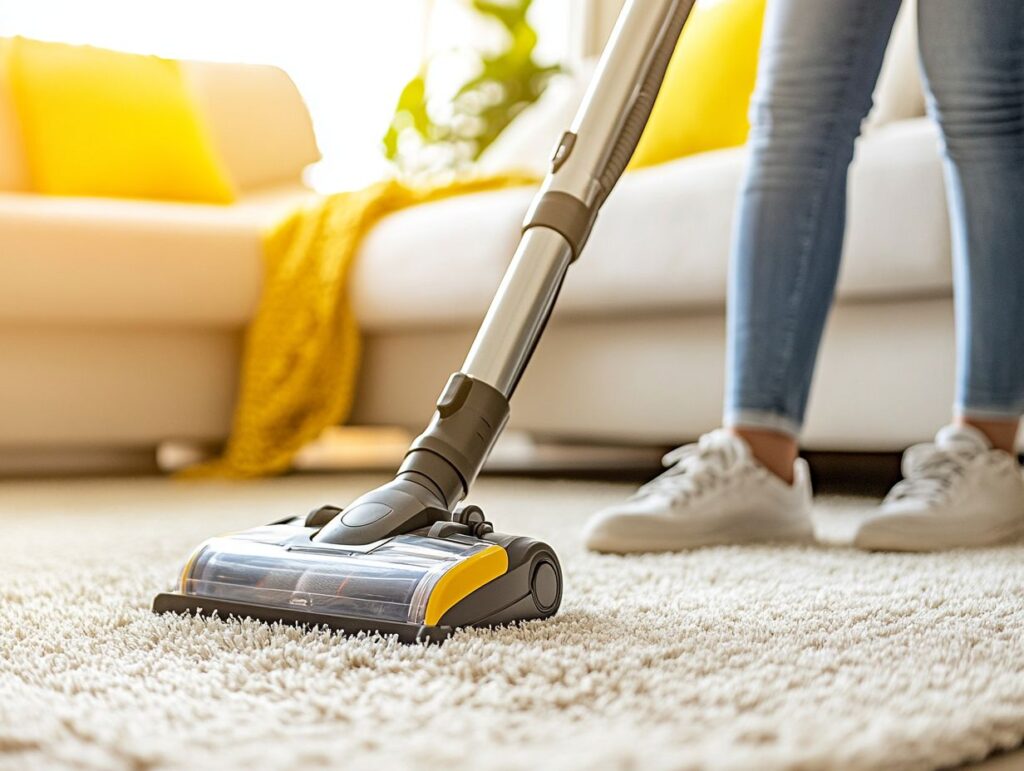
Regularly cleaning and maintaining your carpets is key to promoting allergy relief and minimising asthma triggers in your home.
Establishing a consistent cleaning routine, which includes thorough vacuuming and scheduling professional cleanings, helps reduce allergens and boost indoor air quality.
By prioritising carpet maintenance, you can create a healthier living space and better manage asthma symptoms for you and your family.
Recommended Cleaning Schedule and Techniques
Implementing a solid cleaning schedule with effective techniques like steam cleaning will boost your home’s air quality. Using the right cleaning products, focusing on dust control, will help you manage allergies while keeping your carpets dirt—and allergen-free. Consistent with these practices, your carpets will look great and protect your respiratory health.
To minimise the buildup of allergens, consider incorporating a mix of vacuuming with a HEPA filter and regularly washing your soft furnishings. Steam cleaning your carpets does more than remove trapped particles; it also sanitises the surfaces, creating a healthier environment.
Choosing cleaning products free from harsh chemicals can help avoid irritating substances that might worsen asthma symptoms. By prioritising these techniques, you can effectively manage indoor air quality, making a big difference in your comfort and well-being.
Alternative Flooring Options for Asthma Sufferers
If you manage asthma, considering alternative flooring options can improve your indoor air quality and reduce the health risks associated with allergens.
Non-carpet flooring choices such as hardwood or tiles can create an allergy-friendly space much easier to maintain and clean than traditional carpets. By choosing these surfaces, you can significantly reduce the presence of dust mites and other irritants, leading to a healthier home environment.
Exploring Non-Carpet Flooring Options
Exploring non-carpet flooring options such as hardwood, tiles, or laminate can be a game-changer to reduce indoor pollutants, especially for asthma sufferers. These types of flooring are usually easier to clean and less likely to trap allergens than carpets, making them a safer choice for anyone with respiratory sensitivities. Knowing the ins and outs of these materials can help you make informed decisions for a healthier home.
Take hardwood flooring, for example. It adds a touch of elegance and features a smooth surface that traps fewer dust particles, which means better indoor air quality. Then there are naturally moisture-resistant tiles, helping to curb mould growth—extremely important for respiratory health.
Let’s not forget laminate! It’s a versatile, budget-friendly alternative that mimics traditional wood or stone while requiring minimal maintenance. Regular sweeping and occasional damp mopping is usually all it takes to keep these floors looking great.
Choosing these flooring options can significantly enhance your living space and pave the way for better overall well-being.
Additional Tips for Keeping Your Home Safe for Asthma
Implement a range of strategies for asthma management to keep your home safe for asthma sufferers.
Focus on maintaining proper ventilation systems and consider adding air purification solutions to reduce indoor pollutants and allergens. Simple cleaning tips can also significantly improve home health and minimise exposure to asthma triggers.
Other Factors to Consider for Asthma Management
In addition to choosing the right cleaning methods and flooring, there are some other crucial factors you should keep in mind for effective asthma management. Home hygiene is critical to minimising exposure to chemicals and potential irritants that can trigger seasonal allergies and worsen asthma symptoms. By making informed choices about cleaning products and household upkeep, you can create a healthier environment for everyone in your home.
One important consideration is choosing safe, non-toxic cleaning products that avoid harsh chemicals. Opting for biodegradable or eco-friendly alternatives can significantly reduce airborne irritants.
Establishing regular cleaning routines and ensuring good ventilation can help keep dust and mould at bay—notorious asthma triggers. Plus, using air purifiers and managing humidity levels can enhance indoor air quality, turning your home into a sanctuary that supports better respiratory health.
Ultimately, these proactive choices not only help in managing asthma but also promote overall well-being.